In Houston, Texas, the excitement of the World Cup is palpable, with Aramco's sponsorship prominently displayed at matches, reflecting the oil giant's significant involvement in global events. However, just 100 miles away in Port Arthur, another Texas city, a contrasting narrative unfolds, highlighting the darker side of Aramco's impact.
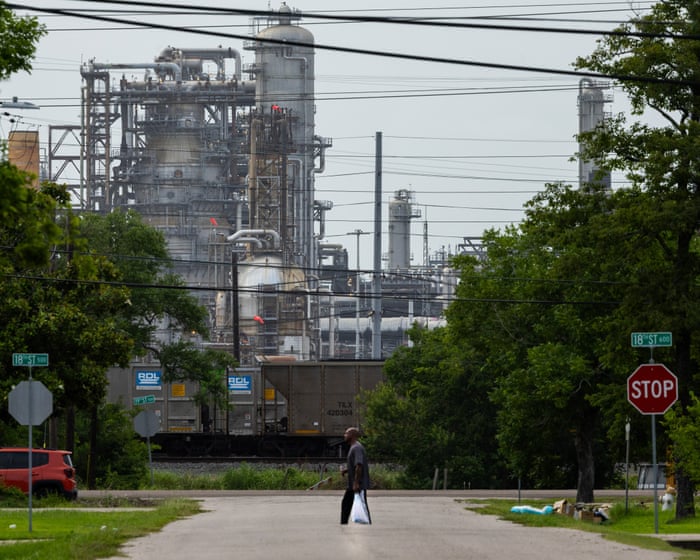
The west side of Port Arthur presents a stark reality for its residents. Narrow streets line modest homes, many of which have been passed down through generations. It's a quiet community, intermittently interrupted by the rumble of freight trains. Yet, the tranquility is overshadowed by a looming industrial presence: Aramco's refinery.
For residents like Jamal Johnson, the refinery is not just a physical structure but a source of ongoing concern. "I've got a load of friends and family who've had weird diseases," Johnson shares, a hint of frustration in his voice. He cites personal losses, including a grandfather and an aunt who succumbed to cancer, and an uncle who faced complications from ALS.
Johnson and many others in Port Arthur attribute these health issues to the emissions from the refinery. "They’ve let off all these poisonous gases; it’s like that all the time," he laments. This sentiment is echoed by numerous community members who feel trapped in a cycle of environmental neglect and health hazards.
Environmental and Health Concerns
The refinery, a massive industrial complex, is one of the largest in the United States, processing crude oil into various products. While it supports economic activities and provides jobs, the cost, according to residents, appears to be too high.
Local environmental activists have long voiced concerns about air quality and its implications for public health. Studies have shown elevated levels of pollutants in the area, which are linked to respiratory and other health problems. Despite these findings, regulatory actions have been limited, leaving communities feeling unsupported.
Community Response and Calls for Action
In response to these challenges, residents and local advocacy groups have increased pressure on both the company and governmental bodies to implement stricter regulations and ensure better air quality standards. They argue that the community deserves a living environment free from harmful pollutants.
Efforts to address these issues include petitions and public meetings, aiming to raise awareness and push for change. However, progress is slow, and many feel that their concerns are overshadowed by the economic benefits that the refinery brings to the region.
"It's like living in a hellhole," one resident remarked, capturing the frustration and despair felt by many who call Port Arthur home.
The Broader Implications
Aramco's dual presence in Texas — as a high-profile sponsor of the World Cup and as a controversial industrial operator — highlights the complexities of corporate influence and environmental responsibility. While the company's branding shines on the international stage, its local operations raise questions about the true cost of its business practices.
This situation serves as a microcosm of broader global challenges where economic interests often overshadow environmental and public health concerns. As the world becomes more interconnected, balancing these aspects becomes increasingly crucial.
For now, the residents of Port Arthur continue their fight for a healthier future, hoping that their voices will eventually be heard and lead to meaningful change.