In the world of international football, scoring a goal is often followed by jubilant celebrations. However, there are instances where players choose not to celebrate, particularly when the goal is against a country with which they have personal or familial connections. This gesture is seen as a mark of respect and acknowledgment of their heritage.
Recent Examples of Respectful Non-Celebrations
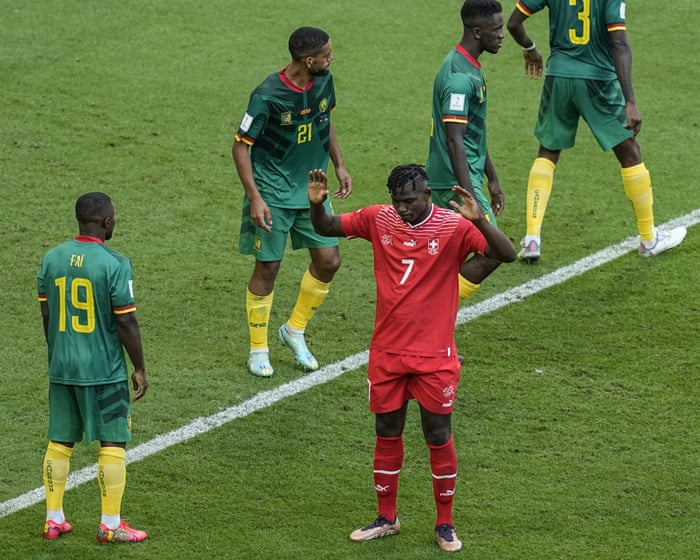
One of the more recent examples occurred at the 2022 World Cup. Breel Embolo, a Swiss international born in Cameroon, scored against his birth country during the tournament. Despite the importance of the goal, Embolo opted not to celebrate, displaying respect for his roots.
Similarly, Yasin Ayari of Sweden, whose father is Tunisian, experienced a conflict of emotions when he scored his first goal against Tunisia. Ayari chose to refrain from celebrating this initial goal as a nod to his heritage, although he allowed himself to celebrate a subsequent goal later in the match.
Historical Instances
While these recent events are notable, the tradition of non-celebration due to personal connections to the opposition is not new. Football history records several instances where players have demonstrated similar restraint.
An Early Example: Declan Rice
In 2024, Declan Rice, an English international with strong ties to Ireland, found himself in a similar situation. After scoring against the Republic of Ireland, Rice chose not to celebrate, acknowledging his connection to the country through his family background.
The Broader Impact
Such actions can have a broader impact beyond the pitch. They demonstrate the complex identities and loyalties that players often navigate in international football. These gestures are well-received by fans who appreciate the acknowledgment of a player’s personal history and the respect shown towards their ancestral nations.
In a sport often characterized by intense rivalries and fierce competition, moments like these remind us of the shared humanity and cultural ties that transcend the boundaries of the game. They highlight the universal nature of football and how it brings people together, even in moments of competition.
Conclusion
The choice to refrain from celebrating a goal against a nation with personal significance is deeply personal and varies from player to player. It reflects the multifaceted identities that many footballers possess, shaped by diverse backgrounds and histories. As the game continues to grow globally, such instances may become more common, serving as powerful reminders of the respect and camaraderie that underpin the beautiful game.