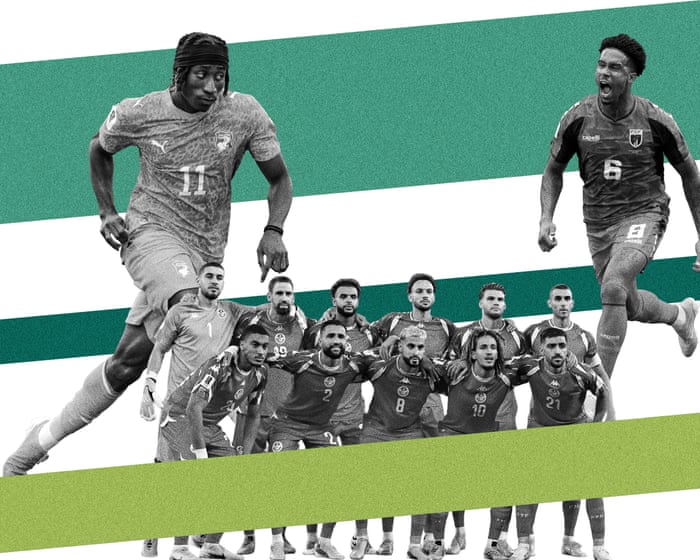
The World Cup has expanded its horizons, and with it, African teams have found themselves with more opportunities to demonstrate their footballing skills. In the latest edition of the tournament, the Confederation of African Football (CAF) has notably increased its presence compared to 2022. Despite this, the performances of the African nations have been varied, sparking discussions on their overall impact in the competition.
Senegal's Crucial Encounter
One of the pivotal matches in determining the fate of African teams is set to take place at the New York New Jersey Stadium, where Senegal will face off against Norway. This match is not only crucial for the progress of Group I but also significantly influences perceptions of African football at this World Cup. Senegal, known for their technical prowess and strength on the field, are under the spotlight to deliver a standout performance that could bolster Africa's football reputation.
Historical Context and Representation
The expansion of the World Cup has been particularly beneficial for African teams. In the previous World Cup held in Qatar in 2022, only five of the 32 available slots were awarded to CAF, representing 16% of the total field. However, this time around, the number of slots allocated to African teams has increased to nine, with an additional spot secured by DR Congo through an interconfederational playoff against Jamaica in March.
CAF has long argued for greater representation, pointing out that it has 54 member nations. This contrasts sharply with the South American confederation, Conmebol, which has 10 members but initially had four guaranteed spots plus a playoff chance, covering 21% of the field. The disparity in representation has been a point of contention, especially given Conmebol's historical success in the tournament, boasting 10 World Cup victories compared to CAF's best performance reaching the quarter-finals on only three occasions.
Performance and Expectations
The mixed results so far from African teams have added an extra layer of pressure to their campaign. While some teams have shown promise and competitive spirit, others have struggled to make their mark. The increased number of slots was intended to provide African nations with a platform to challenge the traditional footballing powers and advance further in the tournament.
Senegal, in particular, is seen as a strong contender and a potential beacon for African football. Their matchup against Norway is more than just a group stage game; it's a test of their ability to rise to the occasion and solidify their status as African champions. The team’s performance in this crucial encounter could help redefine Africa's standing in the global football arena.
Looking Ahead
As the World Cup progresses, the focus will remain on how African teams adapt and perform under the spotlight. The increased representation is a significant step forward, but it comes with the expectation of delivering results that match the talent and potential of the teams involved.
For CAF, this World Cup is not just about participation but also about proving that African teams can compete at the highest level. With the world watching, the performance of these teams will be crucial in shaping the future landscape of African football on the global stage.