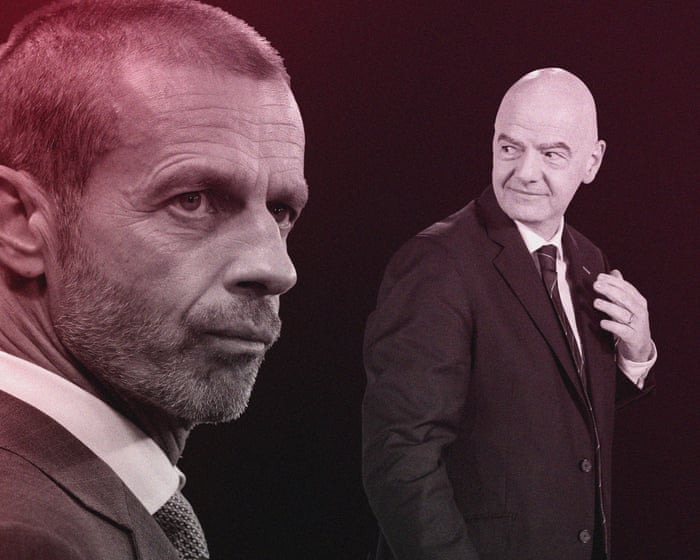
As the recent World Cup wrapped up, a contentious plan from FIFA President Gianni Infantino has stirred significant unrest within European football circles. The proposal to sell stakes in the World Cup to private investors has left many in the sport's governance grappling with the potential implications.
FIFA's Financial Maneuverings
FIFA's announcement came just days after the tournament's conclusion, raising eyebrows across the footballing world. The governing body aims to capitalise on the World Cup's financial success, having amassed a record $15 billion in revenue. However, the lack of clarity on how this windfall will be distributed among the member associations has sparked concerns.
Infantino's strategy, revealed in the midst of what is traditionally considered a quiet period for football, includes offering an initial payment of $20 million to various football associations. This payment, seen by some as an endorsement of the new scheme, has put pressure on national bodies to quickly decide their stance.
European Football's Response
In Europe, there is a growing appetite to push back against FIFA's plans. The continent's footballing authorities, led by UEFA, have voiced unease over the potential ramifications of the World Cup's partial privatisation. Concerns center on the dilution of control and influence that national associations might face, as well as the ethical issues surrounding such a significant commercialisation of the sport's most prestigious tournament.
The Football Association (FA) has joined other European bodies in criticising the plan. The objection is not only about financial distribution but also about maintaining the integrity and tradition of the World Cup, a tournament that has remained under the control of the football community since its inception.
Implications for Global Football
FIFA's move could set a precedent for how international tournaments are managed in the future, potentially shifting control and profits away from traditional football governance structures and into the hands of private entities. This scenario raises questions about the long-term impact on the sport's governance and its stakeholders.
There is also the issue of timing. FIFA's deadline for associations to respond, set for September 19, leaves little room for comprehensive discussion or coordinated action. This tight timeline has added to the pressure on national federations to make swift decisions, potentially leading to fractured responses.
The Road Ahead
As the deadline approaches, the football community is watching closely to see how UEFA and other European bodies navigate this challenge. The need for a unified response is crucial not only to counter FIFA's current proposal but also to safeguard the sport's future governance model.
Ultimately, how European football responds to FIFA's strategy could shape the landscape of international football for years to come. Whether through negotiation, legal challenge, or public opposition, the coming weeks will be pivotal in determining the balance of power within the sport.