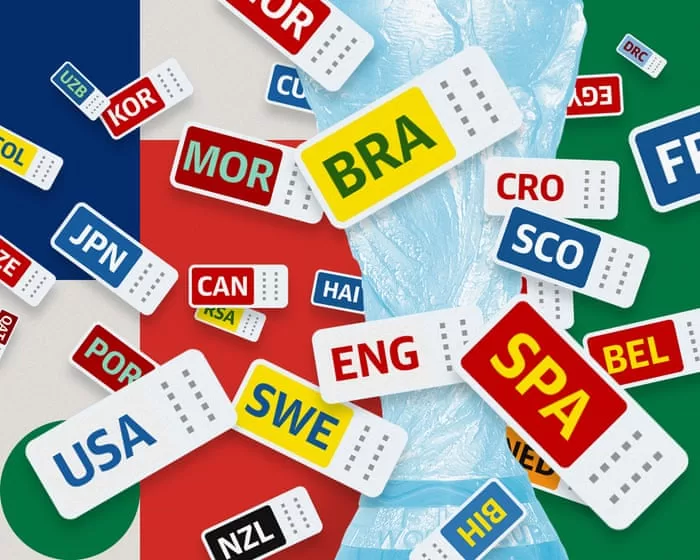
The anticipation for the upcoming World Cup is reaching a fever pitch as fans and analysts alike attempt to map out the potential paths to victory for their favorite teams. The tournament structure, consisting of a group stage followed by knockout rounds, offers diverse scenarios that could lead to a team lifting the coveted trophy. This guide explores the intricacies of the World Cup format and the possible journeys teams might undertake on their quest for glory.
The Group Stage: Setting the Scene
The World Cup commences with the group stage, where teams are divided into groups typically containing four teams each. Over a series of matches, each team competes against the others in their group, aiming to secure a top-two finish to advance to the knockout stage. The group stage is crucial as it establishes not only who progresses but also the nature of the opponents they will face in subsequent rounds.
Key Factors in the Group Stage
- Goal Difference: Teams often find themselves in tightly contested groups, where goal difference can be the decisive factor in determining their progression.
- Head-to-Head Results: In the event of a tie on points, the outcome of matches between the tied teams can be crucial in deciding who advances.
- Form and Injuries: The form of key players and the management of injuries play a significant role in a team’s ability to navigate the group stage successfully.
The Knockout Stage: Do-or-Die
Once the group stage concludes, the tournament transitions into the knockout stage, a single-elimination format where only victory ensures progression. This stage demands heightened focus and strategic prowess, as every match could end a team's campaign.
Strategies for Success in the Knockout Stage
- Defensive Solidity: While attack wins matches, a strong defense is paramount in knockout games where a single goal can decide the outcome.
- Psychological Resilience: The pressure of knockout matches can be intense. Teams that maintain composure and confidence under pressure often excel.
- Adaptability: The ability to adjust tactics mid-game in response to the opponent's strategy can be the difference between victory and defeat.
Potential Paths to Victory
The unpredictability of the World Cup means that even the most favored teams must be prepared for unexpected challenges. Historically, world champions have demonstrated a blend of tactical intelligence, individual brilliance, and a touch of fortune. Here are some scenarios that could unfold:
"A team might face a series of defensive outfits in the group stage, requiring them to hone their attacking prowess early on, only to meet a more open playing style in the knockouts."
Alternatively, a team might breeze through the group stage, only to encounter tougher than expected resistance in the later rounds, testing their mental and tactical flexibility.
The Final Showdown
The road to the World Cup final is arduous, with each round intensifying in difficulty. The final match is not only a test of skill and strategy but also an occasion that demands nerves of steel. The team that emerges victorious will have navigated a path filled with both triumphs and trials, etching their name into the annals of football history.
As fans around the world prepare for the drama and excitement of the World Cup, the question remains: which team will chart the perfect path to victory and claim the ultimate prize?