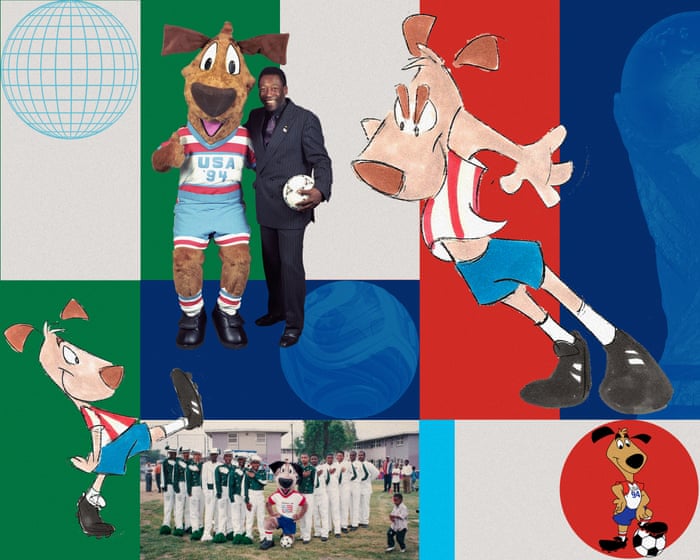
In the summer of 1994, as the world turned its attention to the United States for the FIFA World Cup, a new hero emerged—not on the field, but in the form of a cartoon dog named Striker. Designed as the official mascot of the tournament, Striker quickly became an emblem of the World Cup’s commercial and cultural reach.
The Birth of Striker
Striker was born from an ambitious vision to create a mascot that could resonate with audiences worldwide while promoting the tournament's appeal in the United States, a country traditionally more focused on other sports like American football and baseball. The choice of a dog as the mascot was strategic, given the animal's universal appeal and the friendly, approachable image it projects.
A Commercial Phenomenon
Everywhere you looked during the World Cup in 1994, Striker was there. His image was emblazoned on billboards, merchandise, and promotional materials. From Coca-Cola cans to keychains and caps, Striker's likeness was inescapable. Children clutched Striker dolls, while adults engaged with Striker-themed pinball machines and video games. At stadiums, fans eagerly posed with life-sized versions of the mascot, making him a beloved figure that transcended age groups.
Striker's presence was not just limited to physical merchandise. He appeared in various forms of media, including television commercials and print advertisements, further solidifying his status as the face of the 1994 World Cup. This widespread exposure was a testament to the growing commercialisation of the tournament and its increasing significance on the global stage.
Beyond the Mascot
The impact of Striker extended beyond that summer. He symbolized the efforts to popularize soccer in a nation where the sport was still finding its footing. The World Cup itself was a pivotal moment for soccer in the United States, drawing record attendances and sparking greater interest in the sport domestically.
Striker also represented a period when mascots played a critical role in marketing major sporting events. His success paved the way for future mascots, showing how a well-conceived character could enhance the visibility and appeal of a tournament.
The Legacy of Striker
Today, Striker's legacy lives on in the memories of those who experienced the 1994 World Cup. While he may no longer grace billboards or merchandise, his role in introducing and promoting soccer to a broader American audience remains significant. Striker's success as a mascot has influenced how mascots are integrated into sports marketing strategies, making them an essential part of the fan experience.
Striker's influence is still felt today, as mascots continue to play a vital role in connecting fans with events, creating a sense of unity and excitement that extends beyond the games themselves. His story is a reminder of the power of sports to bring people together and the unique role mascots can play in that process.