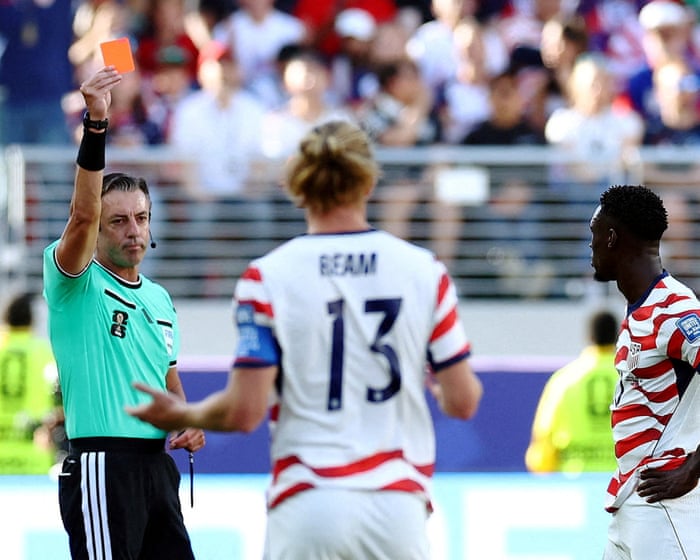
In recent times, sporting outcomes have increasingly been influenced by decisions made off the field, with recent incidents in Formula Two and football illustrating this trend. One notable example occurred at the Formula Two race at Spa, where a decision made long after the race concluded had a significant impact on the championship standings.
Formula Two Controversy at Spa
During the Formula Two race at Spa, Campos Racing's driver Noel León delivered an impressive performance, finishing in seventh place and earning six points towards the drivers' championship. However, the result was short-lived. Hours after the race, the FIA intervened, disqualifying León due to a breach of the F2 Sporting Regulations.
The Headset Rule Infraction
The disqualification stemmed from a violation of appendix 5 and article 21.5 of the F2 Sporting Regulations, which dictate headset usage in the garage. During the race, a guest associated with León was observed wearing a headset with a microphone, contravening the rule that only listening devices are permitted for non-team personnel. Although the microphone was not in use, its mere presence led to León's disqualification.
Football's Encounter with Post-Match Decisions
Sports decisions are not confined to motorsport. Football has also seen instances where results and player fates are decided off the pitch. A recent example involved FIFA overturning a red card decision after a game, a move that sparked discussions about fairness and the integrity of on-field rulings.
The Broader Implications
These incidents reflect a growing trend where sporting results are not solely determined by on-field performance. The implications of such decisions extend beyond immediate results, impacting player and team standings, and sometimes altering the course of a season.
Looking Forward
As these examples highlight, the boundary between on-field action and off-field rulings is increasingly blurred in modern sports. While regulations are necessary to maintain fairness, the timing and nature of some decisions suggest a need for clearer guidelines and more immediate resolutions. As sports continue to evolve, it will be crucial for governing bodies to address these challenges to preserve the integrity of competition.
In conclusion, as sports become more complex and interconnected with technology and regulations, the role of governing bodies in determining outcomes becomes ever more significant. Whether in motorsport or football, the balance between fair play and regulatory enforcement remains a pivotal issue for the future of sports.