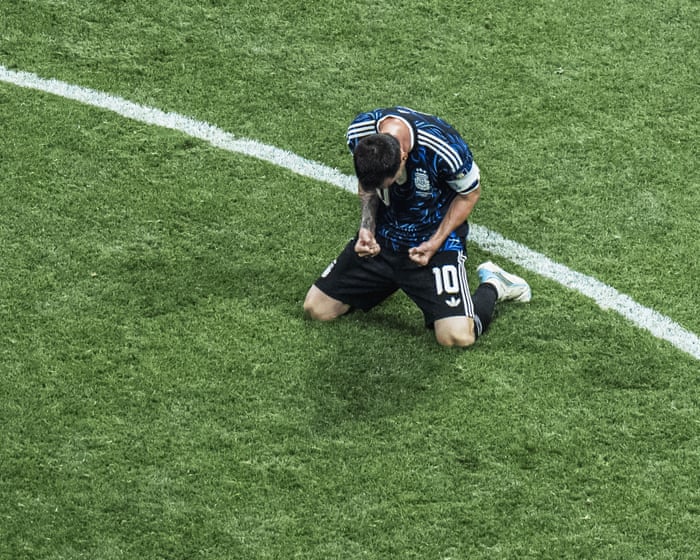
The upcoming World Cup final promises to be an intriguing battle, as Spain, known for their tactical precision and possession-based football, prepares to take on an Argentina side driven by an emotional quest to fulfill Lionel Messi's destiny. This matchup is set to offer a fascinating contrast between a team characterized by process and structure and another fueled by passion and individual brilliance.
Spain's Possession Game
Throughout the tournament, Spain has dominated possession, averaging an impressive 64% in their matches. This style is a hallmark of their play, developed over years and solidified since Vicente del Bosque took over from Luis Aragonés in 2008. Aragonés had initiated a significant shift away from the traditional furia roja, leading Spain to an era of unprecedented success, including winning three European Championships and a World Cup.
Spain's approach is characterized by calmness and methodical build-up, a stark contrast to teams like England, who often find themselves in panicked situations when defending leads. This has made Spain a formidable opponent, capable of controlling the game tempo and frustrating their adversaries.
Rodri - The Metronome
A key figure in Spain's setup is midfielder Rodri, who plays a crucial role in dictating the pace and rhythm of their play. His ability to maintain possession and distribute the ball effectively helps Spain dominate the midfield, making it difficult for opponents to mount sustained attacks. Any attempt by Argentina to disrupt Spain's rhythm will likely involve targeting Rodri's influence on the match.
Argentina's Emotional Quest
In contrast, Argentina's journey to the final has been marked by a passionate drive, largely centered around fulfilling Messi's quest for a World Cup title. This emotional fervor has been a motivating force for the team, which has risen to the occasion when needed the most. Messi's leadership and sublime skills have been pivotal, as he continues to inspire and galvanize his teammates.
Argentina's style, while not as structured as Spain's, possesses a dynamic flair that can be unpredictable and challenging to contain. Their ability to capitalize on moments of individual brilliance, combined with a collective will to achieve victory for Messi, makes them a dangerous opponent.
The Strategic Conundrum
As the final approaches, both teams will need to address strategic challenges. Spain will aim to impose their possession game, minimizing Argentina's opportunities to exploit their attacking prowess, while Argentina will look to break Spain's control and create moments of magic through their star players.
For Spain, maintaining composure and sticking to their game plan will be essential. Their success in previous tournaments has come from their ability to execute their strategy consistently, regardless of the pressure. Meanwhile, Argentina will need to harness their emotional energy constructively, ensuring it fuels their performance without leading to rash decision-making.
A Clash for the Ages
This World Cup final is more than just a match; it is a clash of footballing philosophies. Spain's methodical approach, rooted in possession and tactical discipline, stands opposite Argentina's impassioned drive, motivated by the dream of World Cup glory for Messi. As these two football powerhouses prepare to face off, fans around the world can anticipate a riveting contest that could become a classic in World Cup history.