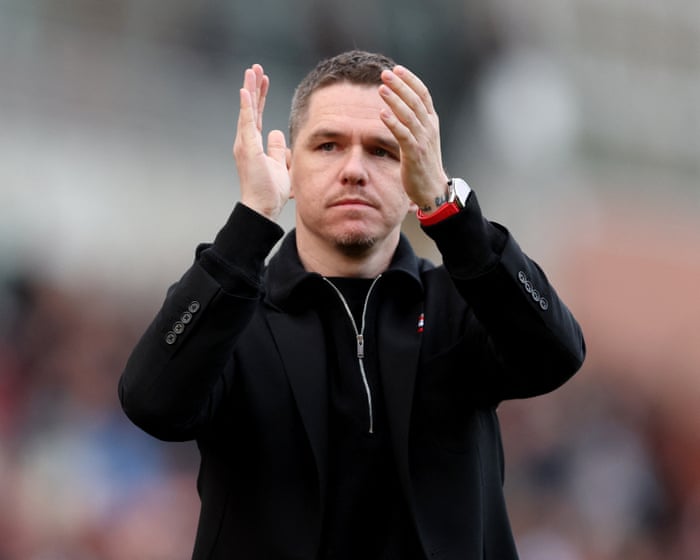
Marc Skinner's tenure as Manchester United Women's head coach was marked by both praise and criticism, indicative of his divisive reputation. Despite differing opinions, Skinner was known for maximizing the resources available to him, often working with a limited budget. Now, as he steps down, the challenge remains for the next head coach to continue nurturing young talent rather than relying on high-profile signings.
Reflecting on Champions League Exit
In April, Manchester United faced a significant blow when they were eliminated from the Women's Champions League by Bayern Munich. Skinner's response to the defeat was candid, underscoring the need for the club to reevaluate its objectives. "If we want to compete at this later stage, we’ve seen what we’ve got to do, as a club. It’s our choice now, isn’t it? We have to look at what we seriously want to achieve," Skinner stated, highlighting the gap between ambition and financial capability.
Financial Realities
Despite the passing months, the club's approach to the transfer market remains cautious. For Skinner, the financial constraints were a constant hurdle in building a team capable of competing at the highest level. Rather than making big-money acquisitions, the strategy under Skinner involved nurturing young prospects and developing homegrown talent.
The Path Forward
As Skinner steps away, Manchester United faces crucial decisions about its future direction. The club's leadership must balance the desire for immediate success with the realities of their budget. This strategic choice will define not only the incoming head coach's approach but also the long-term trajectory of the team.
Developing Talent
Skinner's approach emphasized the development of young players, a philosophy that might serve as a blueprint for his successor. The emphasis on youth development aligns with the financial prudence the club has historically practiced, allowing for sustainable growth and potentially uncovering future stars within their ranks.
“It takes, sometimes, a punch in the face to wake up.” - Marc Skinner
Challenges Ahead
While Skinner's departure marks the end of one chapter, it also opens the door to new possibilities. The task of competing in elite European competitions remains daunting, particularly if financial constraints continue to limit transfer activity. However, the focus on youth could yield long-term benefits if managed effectively.
The new head coach will need to build on Skinner's foundation, fostering a team spirit that can bridge the gap between financial limitations and competitive aspirations. With a commitment to developing the existing squad and integrating promising talent from the academy, Manchester United can aim to remain competitive in domestic and international arenas.
Ultimately, the club's hierarchy will need to decide how best to support the new head coach in achieving their goals, whether through strategic investments or continued emphasis on player development. As Manchester United looks to the future, the lessons learned from Skinner's era will be invaluable in shaping a sustainable and successful path forward.