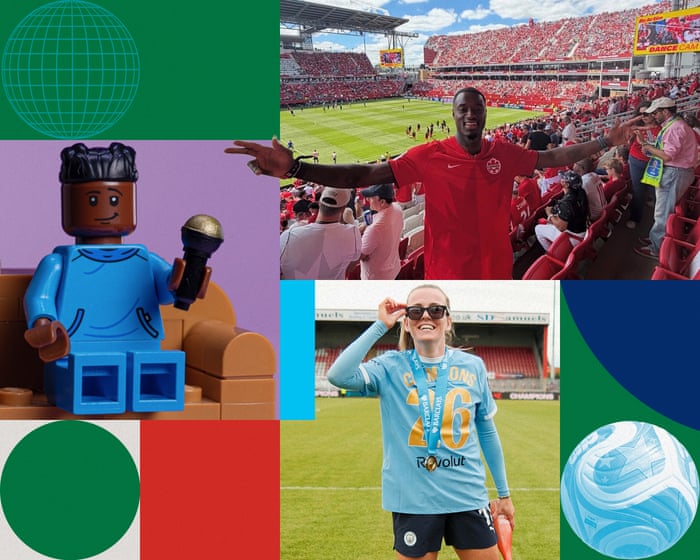
The World Cup has long been a domain dominated by traditional broadcasters, with networks like the BBC and ITV in the UK shaping the public's viewing experience. Fans would gather around their televisions to watch matches live or catch up on highlights later. While this conventional model still holds significant sway, a new dimension of football media has emerged, driven by digital content creators.
The Rise of Digital Content Creators
In recent years, YouTubers and other online influencers have begun to offer an alternative to traditional broadcast coverage. These creators are not just adding commentary but are actively engaging with their audiences, providing a unique and interactive experience that differs from the passive consumption of television broadcasts.
These influencers leverage platforms like YouTube, Instagram, and Twitter to reach fans and present content that is often more relatable and personal. Their coverage is characterized by direct audience interaction, which allows fans to feel a part of the conversation rather than mere spectators.
Engaging with a Global Audience
Content creators offer a variety of perspectives and insights that reflect a global fanbase. They are not limited by geographical boundaries and can cater to diverse audiences by covering different aspects of the tournament that may not receive attention from mainstream media.
For example, while broadcasters focus primarily on the matches and major storylines, digital influencers can delve into niche topics, such as tactical analyses, player interviews, or behind-the-scenes content. This variety enriches the fan experience and provides more comprehensive coverage of the tournament.
Challenging Traditional Coverage
While broadcasters maintain the upper hand in terms of rights and access to live matches, content creators are finding innovative ways to supplement this coverage. They utilize their platforms to share live reactions, create discussion forums, and even host watch parties that invite fans to join them in real-time interactions.
- Live Reactions: Many creators stream their real-time reactions to games, adding a layer of excitement and spontaneity that appeals to viewers looking for immediate and authentic responses.
- Discussion Forums: Platforms like Reddit and Discord host active communities where fans can discuss matches, strategies, and predictions, leading to a more engaged fanbase.
- Watch Parties: These virtual gatherings allow fans from around the world to watch and discuss matches together, fostering a sense of community and shared experience.
A New Era of Fan Interaction
The shift towards digital content creation has empowered fans, giving them more control over their World Cup experience. They can choose the type of content they consume and engage with their favorite creators, who often blur the line between fan and journalist. This interactive approach contrasts with the more formal and structured presentation of traditional broadcasters.
Furthermore, content creators are often quicker to adapt to new trends and technology, incorporating elements such as augmented reality, virtual reality, and other digital tools to enhance their storytelling. This adaptability keeps them at the forefront of modern media consumption and allows them to continuously evolve alongside their audience's preferences.
The Future of Football Coverage
While traditional broadcasters will likely continue to play a significant role in covering major tournaments like the World Cup, the influence of content creators is undeniable. They have carved out a space in the media landscape that caters to a more dynamic and interactive audience.
As technology advances and the demand for personalized content grows, it is likely that the role of digital influencers will expand, potentially altering how major sporting events are covered and experienced by fans worldwide.
Ultimately, this blend of traditional and digital media creates a richer, more diverse viewing experience, allowing fans to engage with football in ways that were not possible in the past.