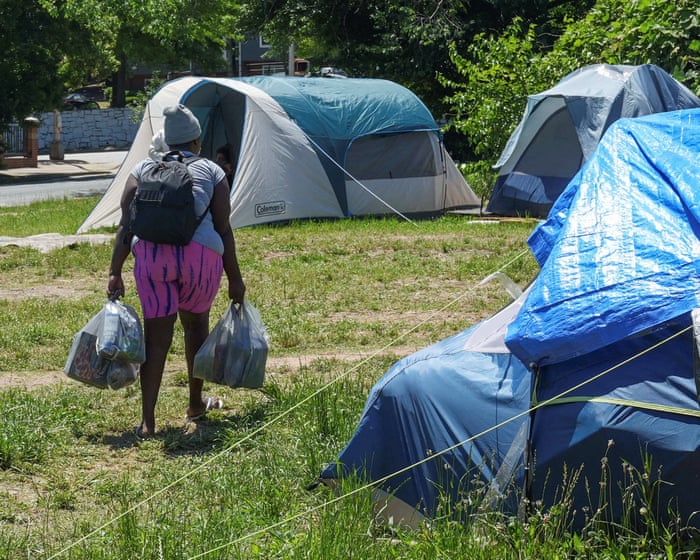
As the World Cup approaches, Atlanta is undergoing significant changes to ensure the city is ready to host the prestigious event. However, these preparations have brought about a sense of unease and displacement among the city's homeless population. Many local residents without permanent housing express concerns that they are being pushed out of the city to present a more polished image to the influx of international visitors.
The Impact on Atlanta's Homeless Community
FIFA often promotes the idea that football unites people globally, yet for the homeless in Atlanta, the experience is quite different. Several members of the community have reported feeling targeted and excluded as the city cleans up and prepares for the tournament. "A lot of our community has been pushed out by the World Cup," one resident shared, highlighting the frustration and sense of dehumanization felt by many.
Efforts to beautify and prepare the city for tourists seem to have taken precedence over the needs of the city's most vulnerable populations. This has left many homeless individuals feeling like they are being treated as mere inconveniences rather than as people with dignity and rights.
Temporary Relocations and the Search for Solutions
Reports have surfaced of homeless individuals being relocated to shelters or makeshift facilities, often with little notice or explanation. One individual recounted being dropped off at a facility in the middle of the night, describing it as resembling a "Fema camp." This experience highlights the lack of transparency and choice faced by those affected, many of whom have no clear understanding of when or if they will be able to return to their original locations.
These relocations have sparked a dialogue about the balance between urban development and social responsibility. While city officials prioritize preparing the city for an event of global significance, it raises important questions about how such initiatives can coexist with the needs of the community's most disadvantaged members.
Calls for Greater Inclusion and Consideration
The situation has prompted calls from advocacy groups and concerned citizens for more inclusive planning that considers the well-being of all residents. Many argue that the excitement and prestige of hosting the World Cup should not come at the expense of marginalizing vulnerable populations. Instead, they advocate for solutions that both enhance the city's appeal and address the needs of its homeless residents.
Local organizations have been working tirelessly to provide support and resources to those affected, but they emphasize the need for systemic change. By fostering inclusive dialogues and implementing policies that prioritize human dignity, Atlanta could set a precedent for hosting large-scale events in a manner that respects all citizens.
Looking Forward
As the tournament draws closer, the city still has an opportunity to address these concerns. By engaging with community leaders and those directly impacted, Atlanta can seek to create a more balanced approach that celebrates the spirit of the World Cup while ensuring that every resident feels valued and respected.
Ultimately, the challenge lies in finding ways to harmonize the city's global ambitions with its local responsibilities. If successful, this could pave the way for future events to be more inclusive and socially conscious, creating a legacy of unity and respect for all.