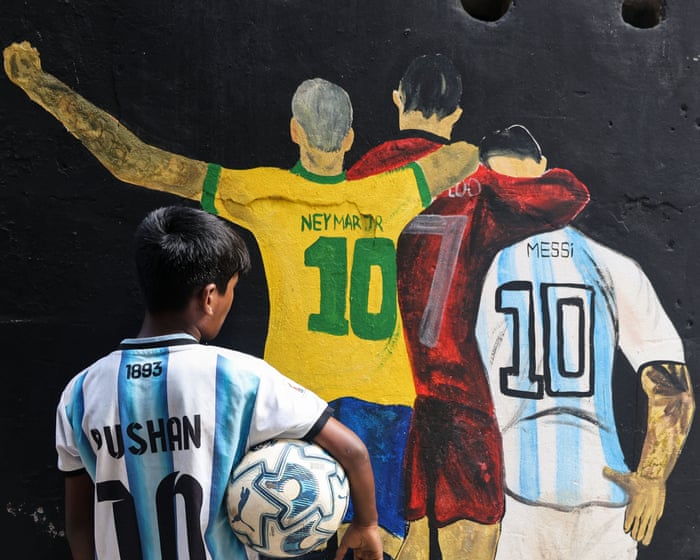
The World Cup final is traditionally viewed as the pinnacle of national pride, a stage where nations compete not just for a trophy, but for global recognition. However, the recent final at MetLife Stadium revealed a different dynamic, where fan allegiances appeared more fluid and personal than ever before.
A Global Affair
In what has become a hallmark of modern international tournaments, fans from all over the world gathered at the stadium, many with no direct ties to the finalists. Remarkably, data showed a significant presence of American fans, despite their country not being in the final. This phenomenon highlights a shift in how fans engage with the sport, breaking away from traditional nationalistic fervor.
Adopting New Identities
The crowd at MetLife Stadium was a tapestry of diverse and eclectic support. Boxing legend Mike Tyson, for example, donned an Argentina shirt, while comedian Trevor Noah sported Spain’s colors. These choices reflect personal preferences and connections that surpass simple national allegiance.
Reasons for supporting a particular team varied widely. Some fans might have been drawn to Spain's sleek football kit or perhaps have a long-standing admiration for Lionel Messi. Others might have personal or political reasons, such as historical grievances or geopolitical views, influencing their support. These individual stories contribute to a broader narrative of a World Cup that is as much about personal expression as it is about national pride.
Football as a Unifying Force
The World Cup final showcased football’s ability to unite people across different backgrounds. It was more than a mere sporting event; it was a global carnival where cultures and identities mingled. The passion for the game allowed spectators to temporarily adopt new identities, creating a shared experience that transcended traditional boundaries.
This trend of global fandom is not entirely new but has become more pronounced in recent tournaments. Fans are increasingly choosing teams based on personal connections, favorite players, or even political stances rather than strictly national lines.
A New Age of Fandom
This evolving landscape of football allegiance might seem chaotic, but it speaks to the universal appeal of the sport. The World Cup, once a battleground of national pride, is now a platform where personal stories and global narratives intertwine. This shift reflects a world where identity is increasingly fluid, and allegiances are crafted from an array of personal and cultural influences.
As the dust settles on another thrilling World Cup final, it is clear that while the game remains the same, the way we engage with it continues to evolve. The final at MetLife Stadium was a testament to the beautiful game’s power to bring people together, no matter where they come from or what jersey they choose to wear.