The UK is set to introduce a ban on sponsorship deals between unlicensed casinos and sports teams, effective from 2027. This move, confirmed by government officials, seeks to protect vulnerable individuals and mitigate the potential for money laundering activities within sports.
Impact on Major Sports
The impending regulation could have significant financial implications for numerous sports in the UK, particularly for Premier League football clubs and Formula One teams. These sports entities often rely on lucrative sponsorship agreements with various companies, including those in the gambling sector, to bolster their revenues.
Premier League Clubs at Risk
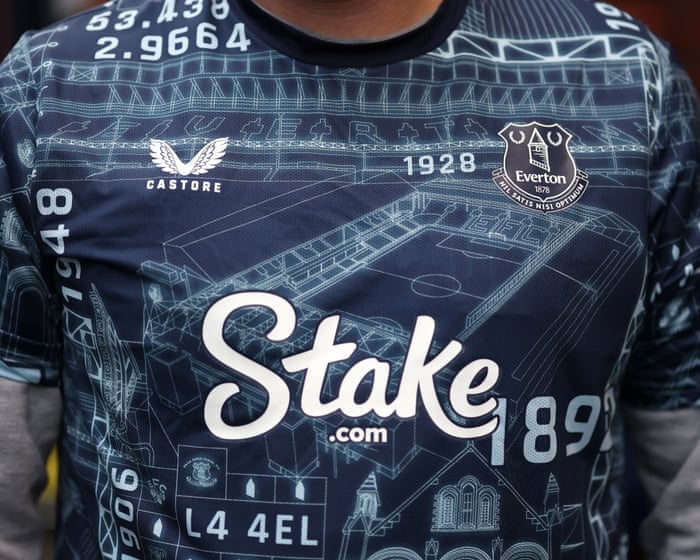
Premier League clubs like Everton FC could face challenges as they look to replace sponsorship income from unlicensed gambling firms. The proposed ban would compel these clubs to seek alternative partnerships, potentially affecting their financial strategies and commercial operations.
Formula One's Financial Concerns
Similarly, Formula One teams, which have historically secured substantial sponsorship deals with casino operators, might also need to reassess their financial models. The new regulations could disrupt longstanding commercial relationships and necessitate a shift towards different types of sponsorship opportunities.
Government's Rationale
The UK government has emphasized that the primary objective of this initiative is to shield vulnerable populations from the negative impacts of gambling. By targeting unlicensed operators, authorities aim to prevent organized crime groups from exploiting sports sponsorships as a vehicle for money laundering activities.
The government is committed to creating a safer environment in sports and ensuring that sponsorship deals do not contribute to illegal activities.
Industry Reactions
The announcement has prompted varied reactions across the sports and gambling industries. While some stakeholders welcome the increased regulation as a means of ensuring ethical sponsorship practices, others express concerns about the potential financial ramifications for sports organizations.
Critics argue that the ban could lead to a reduction in sponsorship revenue, potentially impacting the financial stability of clubs and teams that heavily depend on these funds. They suggest that the government should consider a phased implementation to allow sports entities adequate time to adjust to the new landscape.
Next Steps
In the coming months, the UK government is expected to outline detailed guidelines regarding the enforcement of this ban. Sports organizations and gambling firms will need to collaborate closely to ensure compliance and explore alternative commercial opportunities.
As the 2027 deadline approaches, clubs and teams will likely intensify efforts to secure new sponsorship deals with licensed operators, thereby aligning with the forthcoming regulatory standards.