In 2022, Turkey made headlines with its decision to rebrand itself as 'Türkiye.' This change, announced by President Recep Tayyip Erdoğan, was intended to better reflect the culture, civilization, and values of the Turkish people. However, there was also a more pragmatic reason behind the shift: to distance the nation's identity from its avian namesake, the turkey, a connection that reportedly irked Erdoğan and his advisors.
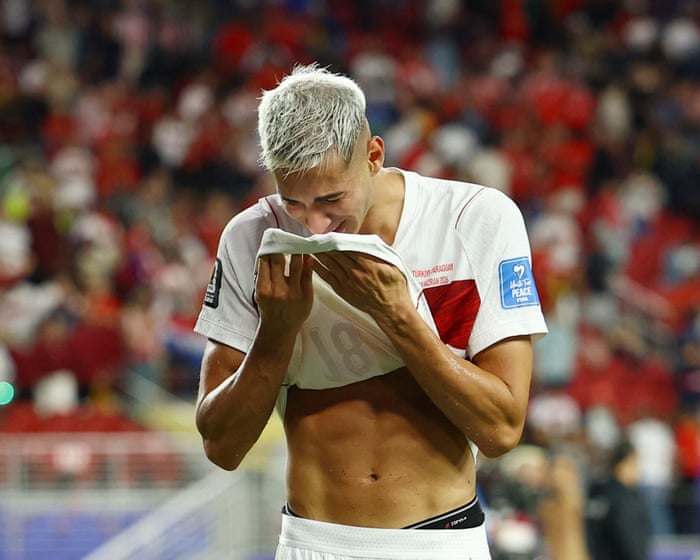
Despite this strategic rebranding, Türkiye's football team has been unable to soar on the world stage, recently facing disappointment in their World Cup campaign. This has sparked discussions about the need for another form of rebranding, this time focused on their footballing strategy and identity.
The Need for Change
Türkiye's football team, known for its passionate fanbase and talented players, has struggled to translate potential into consistent success. The recent World Cup performance highlighted gaps in strategy and execution, prompting calls for an overhaul in how the team approaches international competitions.
Experts suggest that the national team requires not just a tactical refresh but also a reassessment of its developmental pathways for nurturing homegrown talent. Emphasizing youth development and investing in grassroots football are seen as crucial steps to ensure long-term success.
Challenges Ahead
The road to redefining Türkiye's football identity is fraught with challenges. The team must address inconsistencies in their play style and improve their adaptability against diverse international opponents. Additionally, aligning the ambitions of the national team with the resources and infrastructure available domestically poses a significant challenge.
There is also the matter of public expectation and support. Football is a deeply ingrained part of Turkish culture, and the national team's fortunes are closely followed by millions of fans. Balancing the pressure to perform with the necessity for long-term strategic development is a delicate task for the Turkish Football Federation.
Looking Forward
As Türkiye looks to the future, there are encouraging signs. The country boasts a number of young, promising players who could form the backbone of a revitalized national team. Leveraging these talents with experienced leadership could pave the way for a resurgence on the international stage.
Moreover, there’s potential for innovation in coaching and training methodologies. Embracing modern analytical tools and sports science could provide the competitive edge needed to elevate their game.
In conclusion, while the rebranding to Türkiye was a cultural statement, the national football team now faces a different kind of rebranding—a transformation in how it plays, develops talent, and competes at the highest levels. With strategic foresight and commitment, Türkiye could soon become a formidable force in international football.