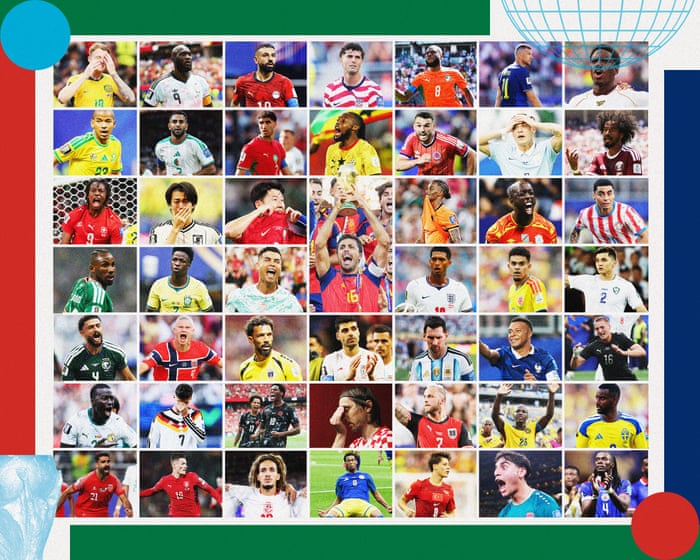
The expansion of the FIFA World Cup to 48 teams has sparked considerable debate in the world of football. This change, implemented shortly after Gianni Infantino took over as FIFA president from Sepp Blatter, has introduced both opportunities and challenges. As we ponder the possibility of further expansion to 64 teams, it's crucial to examine the effects of this new format on the global stage.
Mixed Reactions to the Expansion
When FIFA first announced its decision to expand the World Cup from 32 to 48 teams, the football community responded with a range of opinions. One of the most vocal supporters was the legendary Diego Maradona. He praised the initiative, emphasizing that it allowed more countries to dream of participating in the prestigious tournament, thereby reigniting national passions for the sport.
Conversely, Joachim Löw, who was leading the reigning world champions Germany at the time, expressed concerns about the potential dilution of quality. He argued that while more teams might participate, the overall sporting value could suffer, leading to a decline in the competitive standard of the tournament.
The First 48-Team World Cup: A Balanced Outcome
The inaugural 48-team World Cup, held in North America, concluded with Spain lifting the trophy after a grueling 104 matches over five-and-a-half weeks. This tournament offered a glimpse into both the positive and negative aspects of the expanded format.
- Increased Participation: More nations had the opportunity to participate, bringing diverse cultures and fan bases into the global spotlight. This inclusivity was a significant draw for many supporters of the expansion.
- Logistical Challenges: The extended schedule and increased number of matches raised concerns about player fatigue and logistical management. Ensuring that games are competitive while maintaining player welfare became a complex balancing act.
- Varied Quality: While some matches showcased thrilling football, others highlighted a disparity in skill levels, echoing Löw's earlier concerns about diluted quality.
The Future: Contemplating a 64-Team World Cup
With the first 48-team tournament behind us, discussions have already begun about the potential of a 64-team World Cup. Supporters argue that such a move would further democratize the sport, giving even more countries a chance to participate on the world's biggest stage.
However, critics worry that further expansion could exacerbate existing issues. The logistics of hosting such a large event, maintaining competitive balance, and ensuring player welfare are significant challenges that FIFA would need to address.
"The expansion has certainly opened up new opportunities, but it also presents challenges that must be managed carefully to preserve the integrity of the competition."
Conclusion: Striking a Balance
The introduction of a 48-team World Cup has undeniably altered the landscape of international football. While it has succeeded in broadening participation and engaging new audiences, it has also raised questions about the future direction of the tournament.
As FIFA continues to explore ways to evolve the World Cup, the challenge will be to strike a balance that preserves the tournament's competitive spirit while welcoming new nations into the fold. Whether the solution lies in maintaining the current format or pursuing further expansion, the debate will undoubtedly continue as the football world looks to the future.