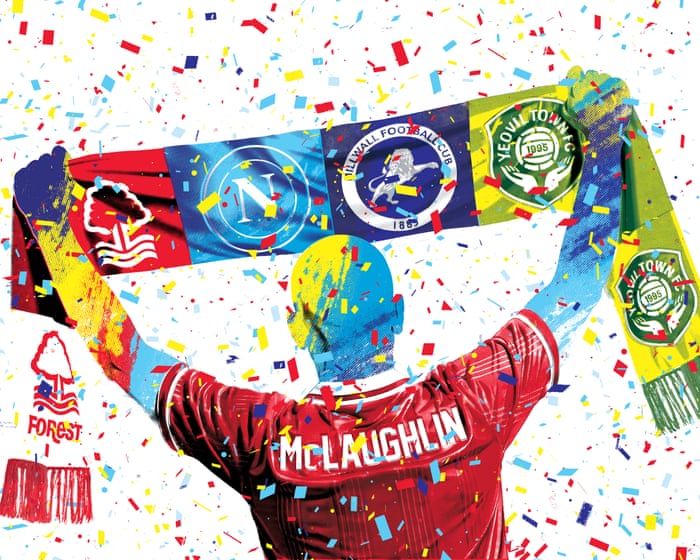
In the world of football, allegiance is often seen as a steadfast commitment, a bond between fan and team that is meant to endure through victories and defeats. However, just as professional athletes can represent multiple national teams or clubs during their careers, fans too can find themselves shifting their loyalties. This phenomenon, once considered rare, is becoming increasingly common in the dynamic landscape of modern football.
Why Do Fans Switch Allegiance?
There are numerous reasons why a football fan might choose to support a different team. For some, personal life changes such as relocating to a new city or country can prompt a change in preference, as they begin to support the local team. Others might be influenced by the exciting play style or success of a particular club, leading them to transfer their loyalties.
Furthermore, the modern football landscape, characterized by high-profile player transfers and managerial changes, can also play a significant role. A fan might follow a favorite player or coach who moves to a new team, thus altering their allegiance. Additionally, the global reach of football means fans can easily access matches and news from leagues around the world, broadening their exposure and potentially sparking interest in a new club.
The Cultural Perspective
The idea of shifting allegiances can be likened to the wartime logic depicted in Joseph Heller’s novel, "Catch-22." In the story, an Italian man's loyalty changes with the political tides, reflecting a pragmatic approach to allegiance. This mirrors how football fans sometimes adjust their loyalties based on the changing dynamics within the sport.
"I was fanatically pro-German when the Germans were here to protect us against the Americans, and now that Americans are here to protect us against the Germans, I am fanatically pro-American..."
This passage encapsulates the idea that loyalty can be flexible and context-dependent, a notion that resonates with the experiences of many football fans today.
The Emotional Journey of a Football Fan
For many fans, the decision to switch allegiance is not made lightly. It often involves a complex emotional journey, as they weigh their deep-rooted connections to a team against new attractions. The emotional ties to a club can be profound, intertwined with personal memories and milestones.
- Some fans describe feeling a sense of betrayal when considering a switch, both towards their former team and within themselves.
- Others report a liberating experience, as supporting a new team rekindles their passion for the sport.
- Ultimately, the decision can lead to facing criticism from peers who view loyalty as a cornerstone of fandom.
Despite the potential backlash, many fans find that changing teams allows them to explore new aspects of the sport and engage with a wider community of football enthusiasts.
Is Loyalty in Football Overrated?
As the football world becomes increasingly global and interconnected, the traditional concept of unwavering loyalty is being challenged. Fans are beginning to see that supporting a team is more about personal joy and connection than about adhering to rigid norms. This shift in perspective encourages fans to prioritize their own happiness and engagement with the sport.
In conclusion, while the decision to change allegiance is deeply personal, it is a choice shared by many in the football community. As the sport continues to evolve, so too will the nature of fandom, embracing the fluidity and diversity that comes with it.