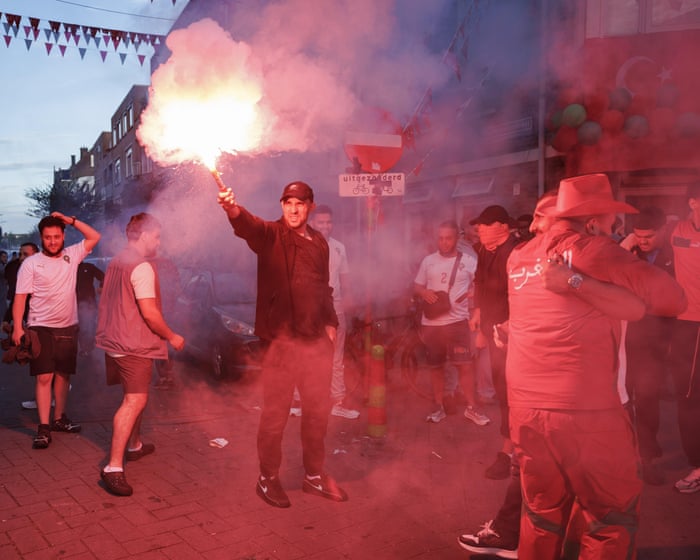
In the early hours after Morocco's stunning victory over the Netherlands in the World Cup last-32, a mix of celebration and unrest unfolded across Dutch cities. The Atlas Lions secured their spot in the next round following a tense penalty shootout, leaving Dutch fans in shock and Moroccan supporters in jubilation.
Celebrations in Amsterdam
Amsterdam witnessed an outpouring of joy from the Moroccan community, which numbers around 440,000 in the Netherlands. Streets filled with celebratory cheers and hugs as fans took to the city to revel in the early morning triumph. The result was more than just a football match for many; it was a moment of cultural pride and unity.
A Symbolic Victory
"This match was about more than football," remarked a Moroccan fan in Amsterdam. "It was a chance to celebrate our heritage and share it with the broader community."
The atmosphere was largely festive, with fans draped in Moroccan flags and singing in unison to celebrate the historic win. The city’s diverse landscape allowed for a unique celebration, as supporters from both sides mingled and shared in the spirit of sportsmanship.
Tensions in The Hague
In contrast, the mood in The Hague turned somber and, at times, confrontational. Police officers in the city were met with a barrage of bottles from disgruntled fans, reflecting the high emotions and tensions surrounding the match. Despite the disturbances, law enforcement officials managed to maintain control and prevent any major incidents.
Understanding Amidst Support
The question of allegiance had been a talking point leading up to the match, particularly for those with dual ties to both countries. Dutch national television highlighted this dynamic with pundits like Ron Jans and Ibrahim Afellay discussing the topic with good-natured curiosity. Afellay, who played 53 times for the Netherlands, openly supported Morocco, illustrating the personal and cultural complexities many faced.
- Afellay's choice resonated with many, symbolizing the shared identity and emotional bonds between the two nations.
- For the Moroccan community, the victory was a chance to celebrate identity and heritage.
- The Dutch fans, while disappointed, largely understood the divided loyalties among their fellow citizens.
A Community's Pride
Despite the mixed reactions, the post-match scenes underscored a broader narrative of cultural solidarity and mutual respect. The celebrations in Amsterdam and the tensions in The Hague reflect the diverse experiences of the Moroccan diaspora in the Netherlands, highlighting both the joys and challenges of dual identity.
As the World Cup progresses, the Moroccan community in the Netherlands will undoubtedly continue to rally behind their team, while Dutch fans will be left to reflect on the unexpected early exit. The event serves as a reminder of the powerful role sports play in bridging cultures and igniting passionate responses, both joyful and contentious.