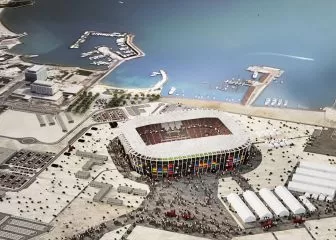
Qatar's Stadium 974 stands as a remarkable example of innovative architectural design, combining sustainability with functionality. This unique stadium, devised by the Madrid-based architectural firm Fenwick Irribarren Architects, is characterized by its ability to be completely dismantled and relocated, making it a trailblazer in the realm of temporary sports venues.
A Paradigm Shift in Stadium Design
Unlike traditional stadiums that are permanent structures, Stadium 974 sets itself apart by offering a flexible alternative that can be disassembled and transported to different locations. This approach not only addresses the issue of underutilized sports venues post-major events but also aligns with modern sustainability goals.
A Modular Marvel
The stadium is constructed using 974 shipping containers, which contribute to its name and its unique aesthetic. These containers are not merely decorative; they play a crucial role in the stadium’s modular design. The use of shipping containers allows for rapid assembly and disassembly, ensuring that the stadium can be easily moved and reassembled as needed.
This modular approach is not only cost-effective but also significantly reduces the carbon footprint associated with traditional construction methods. By repurposing shipping containers, the design cuts down on the use of new materials, thus promoting recycling and reducing waste.
A Spanish Vision Brought to Life
Fenwick Irribarren Architects, the firm behind this innovative concept, has long been a proponent of sustainable and forward-thinking architecture. The Spanish firm has leveraged its expertise to create a stadium that not only serves its immediate purpose but also has a life beyond its initial use.
The architectural team focused on creating a venue that could adapt to various locations and requirements, ensuring that Stadium 974 can be utilized for different types of events around the world. This adaptability makes it a model for future stadiums, particularly in regions where large-scale permanent venues may not be feasible or necessary.
Impact on Future Stadium Developments
The introduction of Stadium 974 has set a new standard in the design and functionality of sports venues. Its success could inspire similar projects worldwide, promoting a shift towards more sustainable and versatile stadium designs. As cities and countries continue to grapple with the environmental and economic impacts of large-scale infrastructure, solutions like Stadium 974 offer a promising path forward.
Moreover, this concept opens up opportunities for regions that may have previously been excluded from hosting large events due to the lack of appropriate infrastructure. By providing a temporary yet world-class venue, Stadium 974 could democratize the ability to host international sporting events.
Conclusion
Stadium 974 is more than just a venue; it is a symbol of innovation and a testament to the possibilities of modern architecture. By combining flexibility, sustainability, and practicality, the architects at Fenwick Irribarren have created a blueprint for future stadiums that could transform the landscape of global sports events.