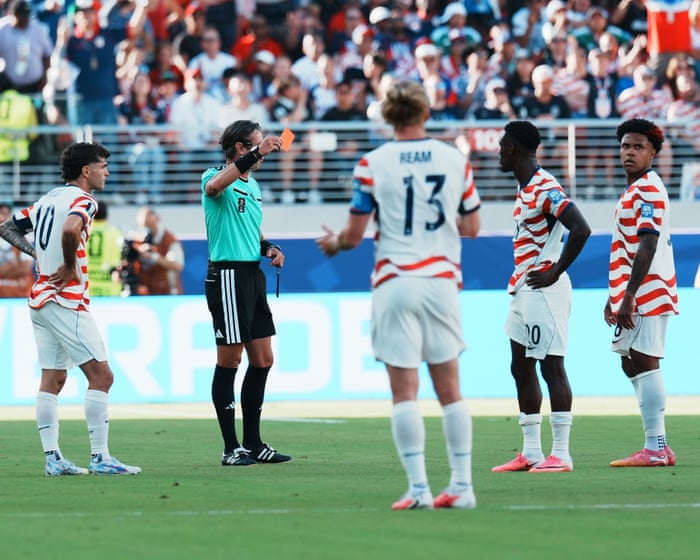
The integrity of football is under scrutiny once again as FIFA President Gianni Infantino's strategies for the upcoming World Cup draw criticism. Questions are being raised about potential biases towards big teams and star players, threatening the sport's credibility.
Historical Context of Match Fixing
Reflecting on past experiences, the importance of perceived integrity in football becomes clear. About 25 years ago, a dramatic Premier League game involving Chelsea left a lasting impression on a journalist. As Chelsea turned around a 2-1 deficit to secure a win in the final minutes, some saw the thrilling comeback as a potential fix rather than a sporting miracle. This suspicion stemmed from a backdrop of prevalent match-fixing during the late Ceauşescu era in Romania, where cynicism towards the game was rife.
The Importance of Integrity
Integrity in football is crucial not just for the fairness of the game, but for maintaining trust with fans. While there is no evidence to suggest Premier League games are currently fixed, the perception of fairness is just as important. Modern systems, including early warning mechanisms for unusual betting patterns, aim to safeguard the sport. However, the shadow of past controversies lingers, leading to skepticism whenever unexpected outcomes occur.
FIFA's Role and the Risk of Bias
FIFA, under Infantino's leadership, faces the challenge of ensuring that the World Cup remains free from bias. The perception that FIFA may favor larger teams or more prominent players is a dangerous notion that could undermine the tournament's integrity. Fans and stakeholders alike are concerned that decisions might sway towards generating higher revenues or ensuring popular narratives, rather than prioritizing fair play.
- Big Team Bias: Concerns about favoritism towards larger teams could lead to questioning the fairness of match outcomes.
- Star Player Preferences: The belief that star players receive preferential treatment is another point of contention.
Such perceptions, if left unaddressed, could damage the reputation of the World Cup and FIFA's standing in the global sports community.
The perception of fairness is crucial to maintaining the legitimacy of football competitions worldwide.
Moving Forward
To preserve the World Cup's integrity, it is essential for FIFA to maintain transparency in its decision-making processes. Clear communication and stringent enforcement of fair play regulations are needed to dispel any doubts of bias. By addressing these concerns head-on, FIFA can reassure fans that the World Cup remains a celebration of football's spirit and not a vehicle for manipulation.
As the football world anticipates the next World Cup, the spotlight will remain on FIFA's actions to uphold the sport's values. Ensuring fairness and integrity must be at the forefront of every decision to preserve the game's longstanding appeal and trust among fans worldwide.