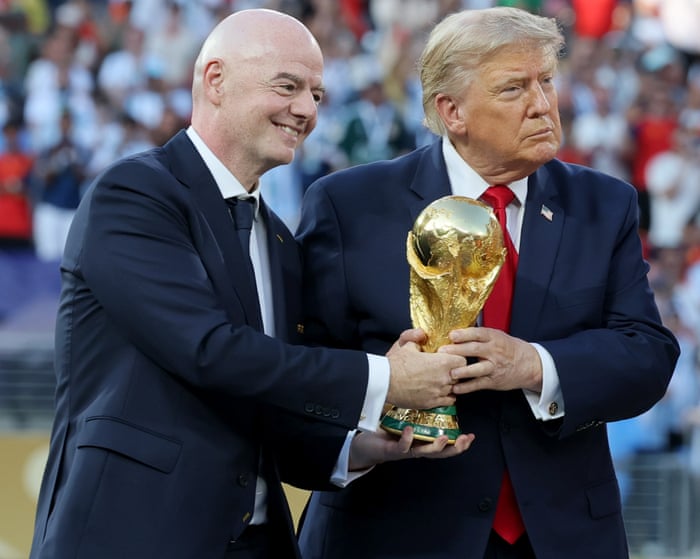
FIFA, the global governing body for football, is facing backlash over its recent proposal to sell a portion of its commercial rights to private investors. This decision, set to be executed through a new entity called FIFA Forward Enterprise (FFE), involves the media and sponsorship rights of all FIFA competitions, prominently including the men's and women's World Cups and the Club World Cup.
Details of the Proposed Sale
FIFA has partnered with American financial giant JPMorgan to facilitate the creation of FFE. The initiative is expected to generate substantial revenue, potentially reaching into the billions. The plan aims to sell a significant stake in FIFA's commercial operations, a move that could raise over $10 billion. This sum, according to FIFA, would be redistributed among its 211 member associations worldwide.
UEFA's Concerns
The proposal has not been met with unanimous approval. UEFA, the governing body for European football, has voiced strong opposition, arguing that the sale represents a compromise of football's "soul and governance." UEFA officials fear that privatizing such a critical aspect of football's commercial rights could undermine the sport's integrity and the traditional values that have long been associated with international competition.
The concerns are not just about the immediate financial implications but also about the long-term consequences for the governance and structure of the sport. UEFA is worried that external investors could wield undue influence over football operations, potentially prioritizing profit over the sport's well-being and development.
Financial Implications and Distribution
FIFA's plan includes a significant financial redistribution component. The governing body has promised that the proceeds from the sale, anticipated to exceed $10 billion, will be allocated back to its member associations. This aims to support the development of football at various levels across the globe, enhancing infrastructure, training, and overall competitiveness.
Despite these assurances, skepticism remains. Critics suggest that such a massive influx of capital could lead to disparities in how funds are allocated, potentially favoring more affluent associations over those in need of financial support.
Response from Football Community
The response from the broader football community has been mixed. While some see the potential financial benefits as a boon for global football development, others share UEFA's concerns regarding governance and the potential for commercial interests to overshadow the sport's traditional values.
Football analysts have pointed out that while financial investment is crucial for the sport's growth, the method and implications of such investments need careful consideration. The balance between commercial success and maintaining the sport's integrity is a delicate one, and FIFA's latest move has sparked a debate on where that balance should lie.
Conclusion
As FIFA moves forward with its plans, the organization faces the challenge of addressing the concerns raised by UEFA and other stakeholders in the football community. The coming months will likely see further discussions and negotiations as FIFA seeks to reassure its critics while advancing its commercial objectives. The outcome of this venture could set a precedent for how global sports organizations manage their commercial rights in the future.