FIFA is advancing plans to expand the World Cup from 48 to 64 teams by the 2030 tournament, a move that could reshape international football. The global governing body has initiated a fast-track process to evaluate the economic implications of this potential expansion.
In a significant development, FIFA has invited research companies to participate in a tender to provide a comprehensive analysis of the financial benefits associated with the proposed increase in participating teams. The timeline for this assessment is notably accelerated, with the selected research firm expected to deliver their findings by 11 September. The selection process for the research partner is set to conclude on 14 August.
Decision Timeline
The results of this study could pave the way for a decision on the expansion to be made before the end of the year. This rapid timeline underscores FIFA's commitment to exploring new opportunities for the tournament, which is already set to feature 48 teams starting from the 2026 World Cup.
Potential Impact
Increasing the number of teams to 64 would mark a significant shift in the World Cup's structure, potentially leading to more matches and increased global engagement. This expansion could enhance the tournament's reach and financial performance by involving more nations and fan bases.
FIFA's proposal comes amid a series of strategic changes aimed at enhancing the global appeal of the sport. Expanding the tournament could provide additional opportunities for emerging football nations to participate on the world stage, potentially boosting interest and investment in the sport worldwide.
Research Brief
The "research brief" circulated among prospective firms outlines the need for a detailed analysis of various factors, including the potential revenue increase from broadcasting rights, sponsorship deals, and ticket sales. It also calls for an assessment of logistical considerations, such as the feasibility of hosting an expanded tournament across multiple venues and countries.
"The expansion to 64 teams is seen as a way to further democratize the competition, allowing for broader inclusion and representation on football’s biggest stage," a source familiar with the initiative noted.
Past Expansions
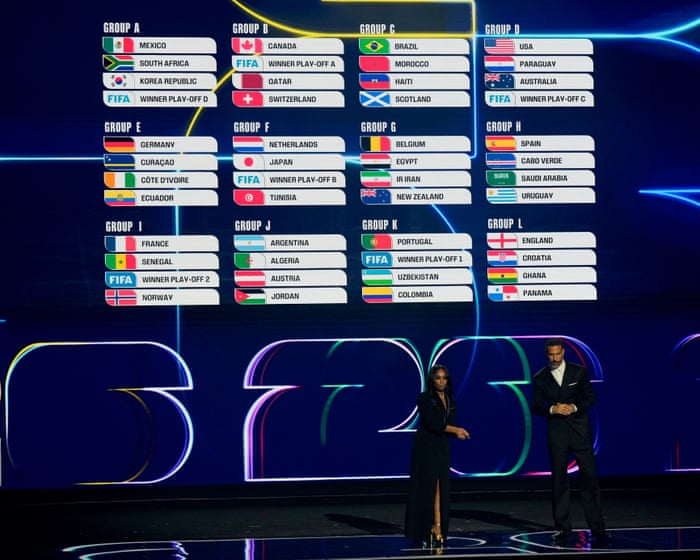
The World Cup's current format of 48 teams will debut in 2026, with the tournament jointly hosted by the United States, Canada, and Mexico. This expansion from the previous 32-team format was driven by similar motivations to increase global participation and revenue.
If approved, the 2030 World Cup would see an even larger pool of teams competing, potentially requiring new formats and scheduling adjustments to accommodate the additional matches. This could involve a longer tournament duration or changes to the group stage format.
Global Reactions
The potential expansion has sparked discussions within the football community, with varying opinions on its impact. Advocates argue it will enhance the sport's global presence and provide more opportunities for smaller nations. Critics, however, express concerns over the logistical challenges and the possible dilution of competition quality.
As the decision-making process unfolds, FIFA's commitment to conducting a thorough analysis suggests a desire to balance the benefits of expansion with the practicalities of implementation. The outcome of this research will likely play a crucial role in shaping the future of the World Cup and its role in global sports.