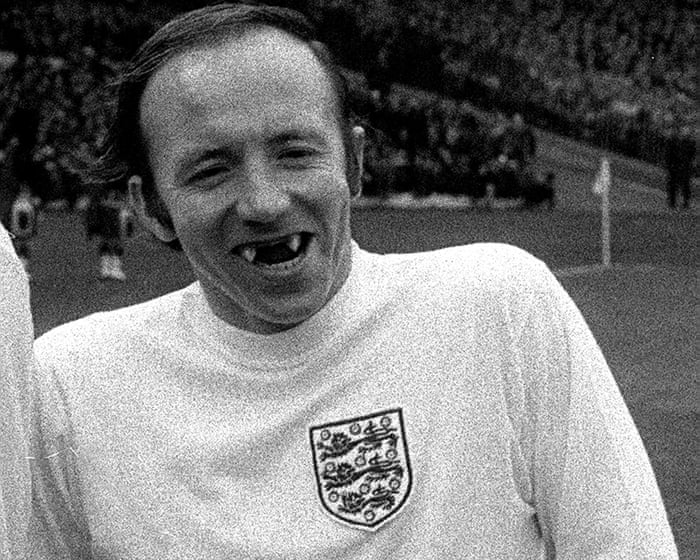
Nobby Stiles, renowned for his pivotal role in England's 1966 World Cup victory, passed away in 2020. A recent coroner’s report has revealed that his death was caused by a brain condition linked to repeated heading of footballs during his playing career.
Coroner's Findings
The coroner's investigation concluded that Stiles suffered from a neurodegenerative disease as a result of consistent head impacts, a condition that has become a growing concern in the world of contact sports. Despite his death occurring in 2020, it was not initially reported to the coroner’s office by the authorities, delaying the formal findings.
Career and Legacy
Nobby Stiles was celebrated as a tenacious midfielder, known for his gritty and determined playing style. His contribution to England’s triumph in the 1966 World Cup is fondly remembered by fans and teammates alike. Sir Geoff Hurst, one of Stiles’ contemporaries, famously described him as the "heart and soul" of the squad that clinched the nation’s sole World Cup title.
Impact on Football and Health Discussions
The revelation of Stiles' condition adds to the ongoing discourse surrounding the long-term health impacts of heading in football. The findings have echoed previous concerns raised by health professionals about the risks associated with repeated head injuries in sports. This has prompted calls for increased research and possibly re-evaluation of rules regarding heading in football, particularly at youth levels.
Family's Response
The Stiles family has been vocal about their loss, advocating for more awareness and preventive measures to protect future generations of footballers. They have stressed the importance of recognizing the potential dangers associated with the sport and implementing safeguards to prevent similar tragedies.
Football Associations and Safety Measures
In response to growing evidence linking football and neurodegenerative diseases, several football associations have begun to introduce guidelines to mitigate these risks. These include limiting the number of headers during training sessions and increasing education on head injury protocols.
The Professional Footballers' Association (PFA) and other governing bodies are actively involved in researching and developing strategies to ensure player safety. This includes collaborations with medical experts to better understand the implications of repetitive head impacts.
Future Directions
While the coroner’s report on Nobby Stiles’ condition underscores a significant issue in sports health, it also serves as a catalyst for change. The football community is increasingly aware of the need for proactive measures to ensure the well-being of players at all levels. Enhanced safety protocols and ongoing research into the effects of head injuries are expected to shape the future of the game.
As the debate continues, stakeholders in the sport are urged to balance the traditional aspects of football with modern science to protect players without diminishing the essence of the game.