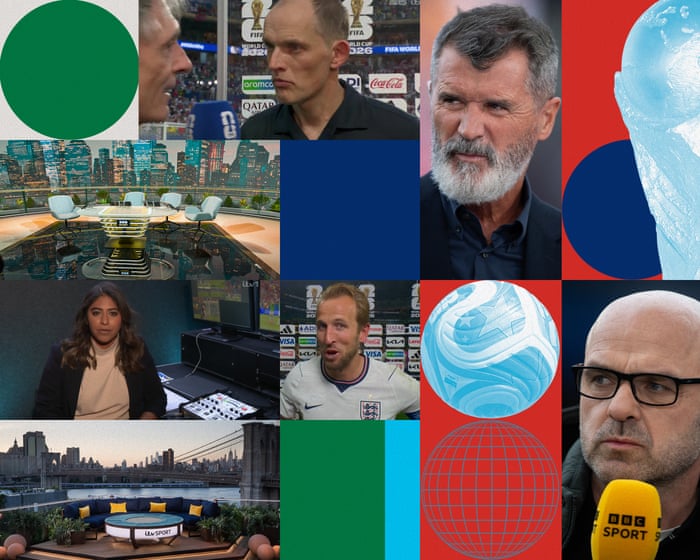
The World Cup is not only a stage for footballers but also a battleground for broadcasters. In the UK, the competition between BBC and ITV during the 2026 World Cup was as fierce as ever, with both networks striving to capture the attention and approval of football fans.
On-Air Talent and Presentation
One of the standout moments from the broadcasting coverage was when Danny Murphy, a former professional footballer, unexpectedly veered off-topic, discussing his late cat during a live segment. This moment became a talking point among viewers and critics alike, and it may have overshadowed his otherwise solid contributions as a pundit.
In contrast, Christina Unkel, who provided referee analysis, was praised for her direct and clear insights. Her ability to break down complex refereeing decisions in a straightforward manner was appreciated by audiences who value clarity and expertise.
Viewer Engagement and Analysis
When it comes to engaging viewers with insightful analysis, both networks had their high and low points. BBC, known for its in-depth coverage, offered comprehensive pre-match and post-match analysis, with a team of seasoned analysts providing diverse perspectives. Their focus on detailed tactical breakdowns appealed to avid football enthusiasts.
ITV, on the other hand, opted for a more entertainment-driven approach. Their coverage included lighter segments and fan interactions, aiming to appeal to a broader audience. While some traditionalists may have preferred BBC's style, ITV's strategy likely attracted viewers who enjoy a more relaxed viewing experience.
Technical Quality and Accessibility
From a technical standpoint, both broadcasters delivered high-quality coverage, with crisp visuals and reliable streaming services. BBC's broadcasts were lauded for their seamless integration of live statistics and advanced graphics, enhancing the viewer experience by providing real-time data.
ITV also impressed with its user-friendly digital platforms, ensuring accessibility for viewers on various devices. Their interactive features and easy-to-navigate interfaces made it simple for fans to keep up with matches on the go.
Public Reception and Feedback
The public's reception of both networks' coverage was mixed, with personal preferences playing a significant role. Some viewers preferred BBC's more serious and analytical approach, while others favored ITV's lighter, more entertaining broadcasts.
Social media platforms were abuzz with discussions comparing the two, with some users praising BBC for its professionalism and others commending ITV for its engaging and inclusive content.
Conclusion: A Close Contest
In the end, the battle between BBC and ITV during the World Cup 2026 was a close contest, with each broadcaster excelling in different aspects. BBC's strength lay in its detailed analysis and expert commentary, while ITV shone with its engaging presentation and accessibility.
Ultimately, the winner of the broadcasting battle may depend on individual viewer preferences, but both networks succeeded in providing comprehensive and entertaining coverage of the world's most-watched sporting event.