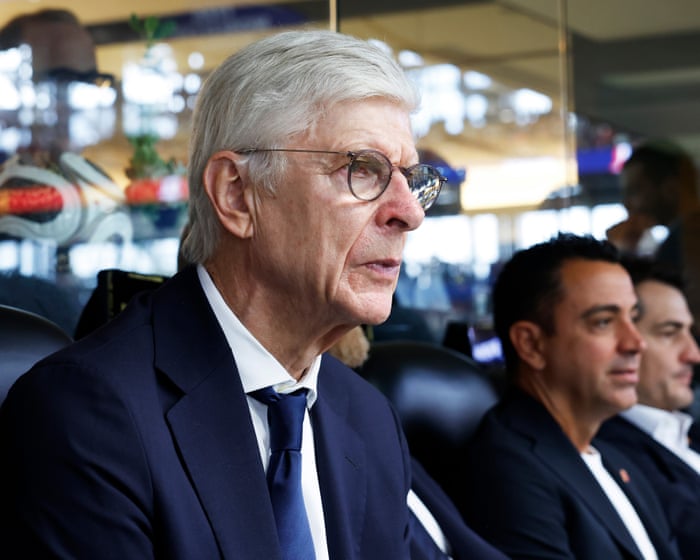
Arsène Wenger, renowned for his long tenure as Arsenal's manager, now serves as FIFA's Head of Global Football Development. He recently shared his insights on the trajectory of soccer in the United States, emphasizing the need for consistency and education in the sport's development.
Challenges and Progress in US Soccer
During a roundtable discussion with US Soccer's Chief Executive JT Batson and Chief Operating Officer Dan Helfrich, Wenger addressed the structural challenges that the United States faces in becoming a dominant force in world soccer. These challenges include the widely criticized pay-to-play model, which often restricts access to the sport for young players from less affluent backgrounds.
Despite these obstacles, Wenger commended the efforts being made by the US Soccer Federation and Major League Soccer to overcome them. He pointed out that significant strides have been taken to improve the foundational elements necessary for nurturing talent.
The Role of Academy Setups
A major point of focus in Wenger's discussion was the importance of academy systems in fostering young talent. He believes that establishing robust academies is essential for the sustained growth of soccer in the US. "Academy setups are vital," Wenger noted, stressing that a well-structured development system can provide the consistency required to cultivate skilled players.
The strategic development of these academies can help bridge the gap between youth soccer and professional leagues, ensuring that talented individuals receive the training and opportunities they need to succeed.
A New Home for US Soccer
In addition to addressing challenges, Wenger expressed optimism about the steps being taken to create a nurturing environment for soccer in America. He praised the US Soccer Federation for its investment in a new $250 million headquarters in Fayetteville, Georgia. This facility, he believes, will serve as a central hub for the sport, providing athletes with a sense of belonging and identity.
"I feel it’s important for every footballer, somewhere, to feel you’re at home," Wenger remarked, highlighting the psychological and cultural benefits of having a dedicated space for soccer development.
Looking Ahead
Wenger's insights underline the significance of a cohesive strategy that combines infrastructure investment with educational initiatives. By addressing the current challenges and building on the progress already made, the US has the potential to enhance its status in the global soccer arena.
As the country prepares to host the 2026 World Cup, these developments could not come at a more crucial time. The tournament presents an opportunity for the US to showcase its growing soccer proficiency and to inspire a new generation of players and fans alike.
In conclusion, while challenges remain, the future of US soccer looks promising with the right blend of education, infrastructure, and strategic development. Wenger's comments serve as both a critique and a roadmap, guiding the ongoing efforts to elevate the sport in America.